Guide
Padel balls explained: tennis balls, bounce and when to replace them
The ball is a small part of your kit, but it changes every rally. Fresh balls may feel lively on the same court where worn ones barely reach the glass. Here is a practical way to choose a ball and recognise when it is time for a new set.
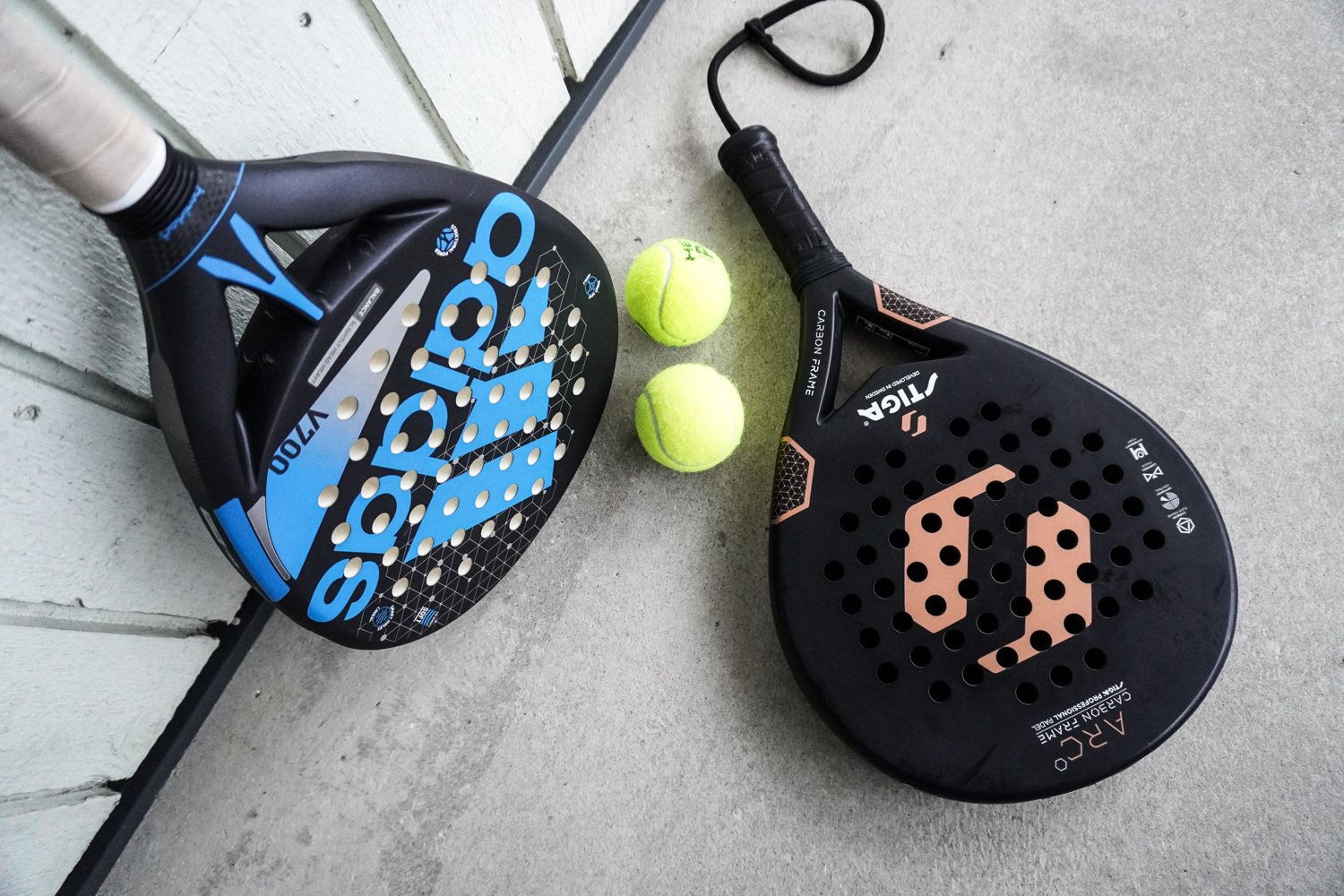

What makes a padel ball a padel ball?
A padel ball looks familiar if you have played tennis: rubber under a felt covering. Yet padel has its own specifications for the ball's size, weight, bounce and internal pressure. For recreational play, the practical question is whether you can predict what the ball will do. A consistent set helps you judge a shot better than a mixture of lively and tired balls.
The International Padel Federation specifies a diameter of 6.35 to 6.77 centimetres and a weight of 56.0 to 59.4 grams for official competition balls. A new ball must bounce between 135 and 145 centimetres when dropped onto a hard surface from 2.54 metres. These figures describe an approved competition ball; you do not need to run a laboratory test before a friendly game.
Source: International Padel Federation, Rules of Padel, The Ball.
Padel balls versus tennis balls
Both types can look nearly identical, and their permitted measurements overlap in places. Pressure and construction affect how they play, so a blanket claim that every tennis ball bounces higher than every padel ball is unreliable. Compare fresh balls under the same conditions instead of judging by colour or packaging alone.
A ball that feels exceptionally quick can make it harder to defend near the glass. One that has gone flat may make a defensive lob or a deep shot fall short. If you swap ball types halfway through a session, allow a few rallies to adjust before blaming your technique. In organised competition, follow the organiser's approved ball choice.
Choosing balls for the way you play
If you are new: choose a regular padel ball from an established maker, and stick with the same model for a few matches. That gives you a consistent reference as you learn to read the bounce. A faster ball will not fix a shot that repeatedly falls short; height, contact and placement are more useful starting points.
For a balanced social match: a fresh can gives both pairs a predictable pace. Using one model regularly makes it easier to notice when an older set has slowed down. Replace all the match balls at once, rather than switching unpredictably between one fresh ball and two tired ones.
For drills: used balls that still bounce similarly can be useful for repetitive practice. Sort out damaged or completely flat balls. If the drill is meant to feel like a match, finish with the same type of balls you intend to play with. A basket full of wildly different bounces makes feedback much harder to interpret.
When should you change padel balls?
There is no universal number of matches. Surface, weather, how hard you hit and how you store the balls all matter. A ball can still be usable after a gentle session, while a wet or visibly damaged one may need replacing much sooner.
Check three things. Bounce: does the used ball feel noticeably slower and lower than a fresh one on the same court? Felt: is it bare, peeling or uneven? Consistency: do all the balls in your can behave similarly? The last check is easy to forget. A single odd ball can make every change of server feel like a change of game.
Before playing, drop an old ball and a new one from roughly the same height onto the same clean spot. This is not an official measurement, but it can reveal a clear loss of bounce. Remove a split or misshapen ball from play immediately.
Why does the ball feel different outdoors?
Cold conditions can make a ball feel less lively, while moisture can change the felt. The air and court surface also affect pace. A ball that felt comfortable indoors might not respond in the same way on a chilly outdoor court. Keep the can dry, and give the balls a little time at the venue before comparing them.
When you switch courts, resist changing ball model straight away. Start with a brief warm-up rally that includes a deep shot and a lob. If the ball consistently falls short, adjust your height and pace first. A repeatable warm-up is more useful than constantly chasing a supposedly perfect ball.
Are ball pressurisers worth using?
A pressurising container may help used balls stay playable longer. It cannot repair worn felt, cracks or a ball that has become uneven. Try one if your group plays often and likes the feel of the balls afterwards, but do not expect every old ball to return to its original condition.
Store your balls somewhere dry, away from unnecessary heat and moisture. Balls left in a damp bag for a week are a poor starting point for consistent play. If your group shares a can, write the date on it and keep track of how many sessions it has seen. That is more useful than guessing from the colour of the felt.
What to do with balls after the match
Separate match balls from practice balls. A used set with an even bounce can still serve for relaxed rallies or serve practice. If the venue collects worn balls, use that collection. If not, follow your local waste guidance rather than leaving them beside the court.
Taking turns to buy a can spreads the expense fairly among four players. For a fuller breakdown, read our guide to the cost of playing padel. The best choice is ultimately a set that lets everyone enjoy a fair, consistent game.
A simple pre-match ball check
- Choose one readily available padel ball model for your group.
- Check that every ball in the can has reasonably similar bounce and intact felt.
- Warm up with the balls you will play with, especially on a new court or outdoors.
- Set aside anything that feels different before the first game starts.
A good ball will not hit your shots for you. It will make it easier to tell whether a mistake came from timing, placement or position. Try the routine at one of the upcoming matches and see how long your set feels consistent.