Guide
The padel serve: rules, placement and what to do next
A good padel serve does not need to be fast. It needs to be legal, difficult to attack and slow enough for you to reach a useful position. This guide covers the rules and, just as importantly, the shot immediately after the serve.
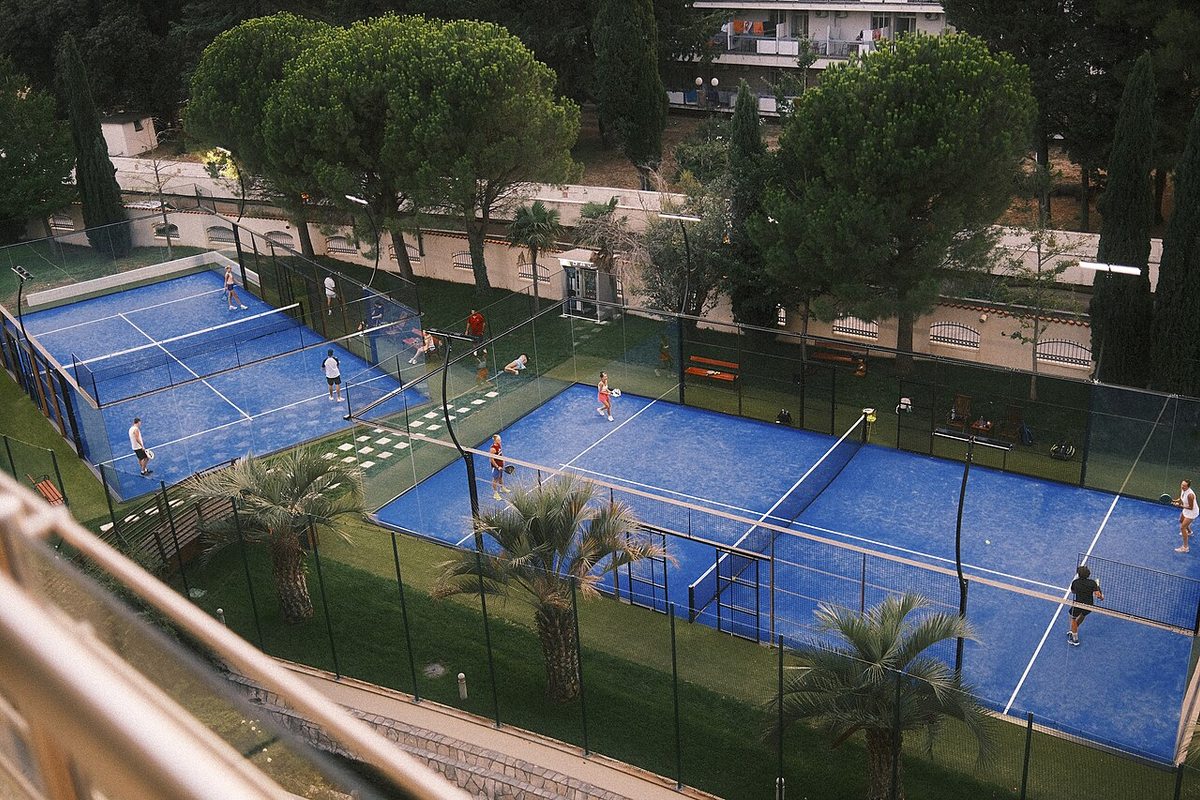

Start planning before you drop the ball
The serve in padel is not a tennis serve. You hit it after a bounce, from below waist height, and the receiver may use the glass after the ball lands. That takes some of the reward away from raw speed. Your target, your consistency and your first steps towards the net become much more important.
Before every serve, decide where it should land and where you will go next. If all your attention is on contact, you may react too late to the return. A serve you can repeat ten times is far more useful than one spectacular attempt you land twice.
What makes a serve legal?
Under the International Padel Federation rules, stand behind the service line between the imaginary extension of the centre line and the side wall. Bounce the ball and strike it at or below waist level while at least one foot is on the ground. Serve diagonally into the opposite service box. The ball must bounce there before it touches the glass.
If a correctly landing serve touches the metal fence before its second bounce, it is a fault. A ball that touches the net and then lands correctly may be a let, but not if it subsequently hits the fence before the second bounce. You have two attempts to make a good serve. In a formal competition, check its specific regulations and respect the umpire's decision.
Rules source: International Padel Federation, Rules of Padel, applicable from 1 January 2026, rules 6 to 9.
Give every target a purpose
Towards the side glass: A deep serve that moves towards the glass can make the receiver move sideways. Do not aim so close to the edge that you repeatedly miss the box. The aim is a manageable return for your team, not an ace.
Towards the centre: A serve near the centre line may reduce the angle of the return and help your pair cover the next ball. It is also a useful reset when you keep missing wider targets. Add variety only after you can hit your chosen spot reliably.
Into the body: When the receiver stands too far forward or expects one direction, a controlled body serve can disrupt their preparation. Leave room inside the lines. You do not have to hit hard to force an awkward decision.
Use more margin on the second serve
Your first serve can test a deeper placement. On your second attempt, favour clean contact and a large target. A double fault ends the point; a slower serve still gives you a chance to reach the net and play the rally.
Pick an area in the service box, not a line. Rehearse the same bounce, spacing and follow-through. Count how many of ten second serves land inside your target area. If the number drops whenever you swing faster, you have useful feedback: slow down and rebuild your rhythm.
Prepare for the return, not just the serve
Move forward with your partner after serving. You do not have to sprint right up to the net: move in balance, watch the return and stop where you can actually play the next ball. An overly hard serve sometimes brings the return back before you are ready.
When the return comes low at your feet, keep the ball in play rather than trying a difficult winner. If it sits up, direct it into open space. When your opponents lob over you, both players should recover rather than one gambling on a desperate overhead and leaving half the court open. Our padel tactics guide looks more closely at those positions.
A useful practice session for two
- Serve ten balls diagonally from the right. Count only the ones that land where you intended.
- Move to the left and repeat. Compare both legal serves and accurate placements.
- Ask your partner to return five balls from each side. Play each point for three shots: serve, return and your next ball.
- Move the receiver forwards or backwards. Check whether your usual serve still gives you enough time to get into position.
The last exercise tells you more than a bucket of isolated serves. A serve is not fully practised until you know how you handle the return.
Mistakes worth correcting first
Chasing power: lower the pace and choose a larger target. Standing still after contact: decide on your first step before you serve. Standing right on the line: give your feet room so you do not accidentally cross it. Always serving the same way: learn two reliable placements, then alternate when your opponent begins anticipating one.
If you often wonder about your contact height or foot position, ask someone to film a few serves from the side. A short video can reveal both a high contact point and whether you lose your balance when you try to move forward.
How do you know it is working?
There is no single perfect serve for every receiver. A useful one lands consistently, produces a return you can read and lets you play the next ball from a good position. If you end up defending immediately after most serves, experiment with a different direction or less speed.
Put the idea to the test in one of the upcoming padel matches. Choose a single measurable goal for the match, such as getting eight out of ten second serves in. It gives you something concrete to reflect on afterwards.